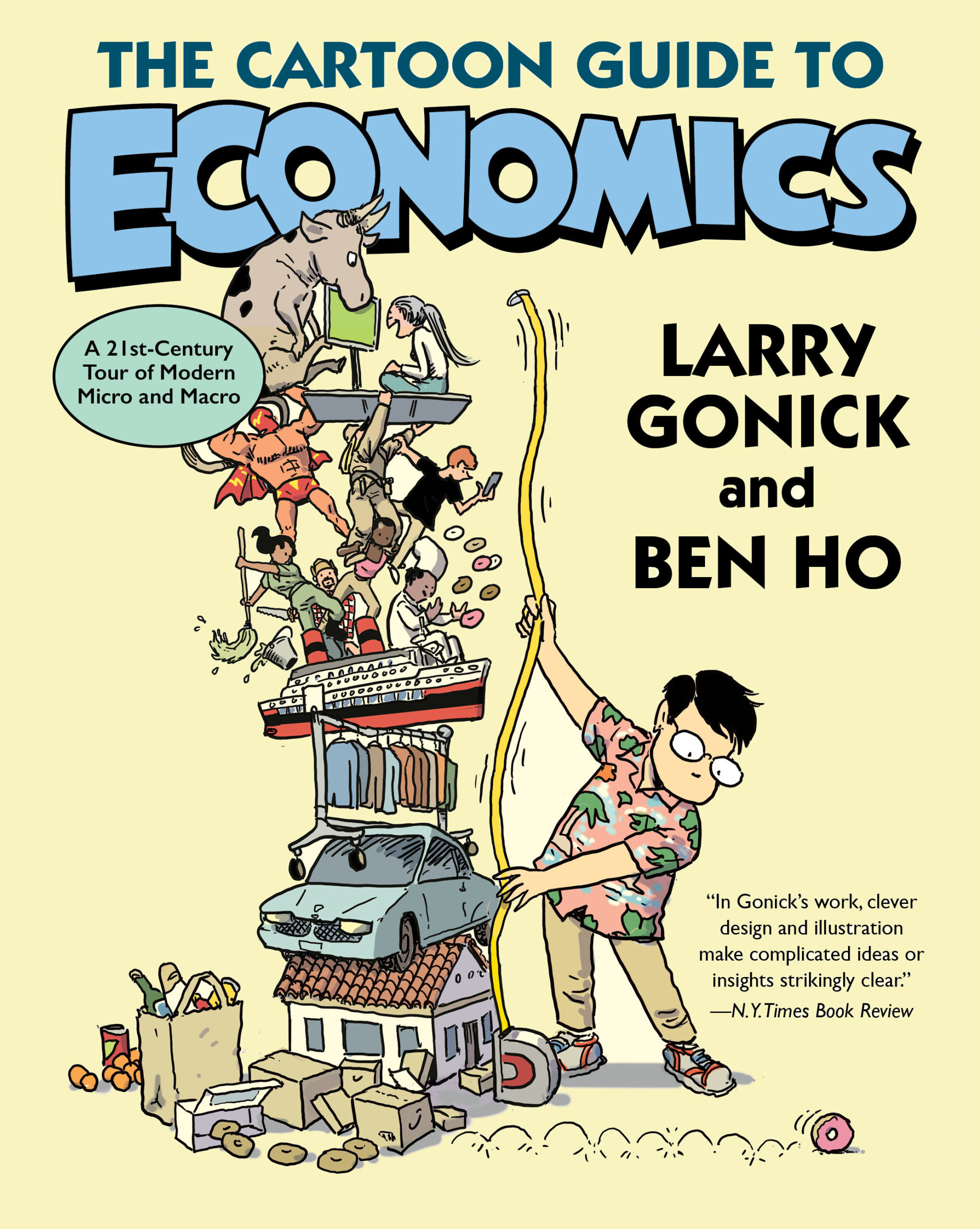
Coauthored with Ben Ho
Here’s a guide to Micro- and Macroeconomics for the 21st century, and, with any luck, the 22nd.
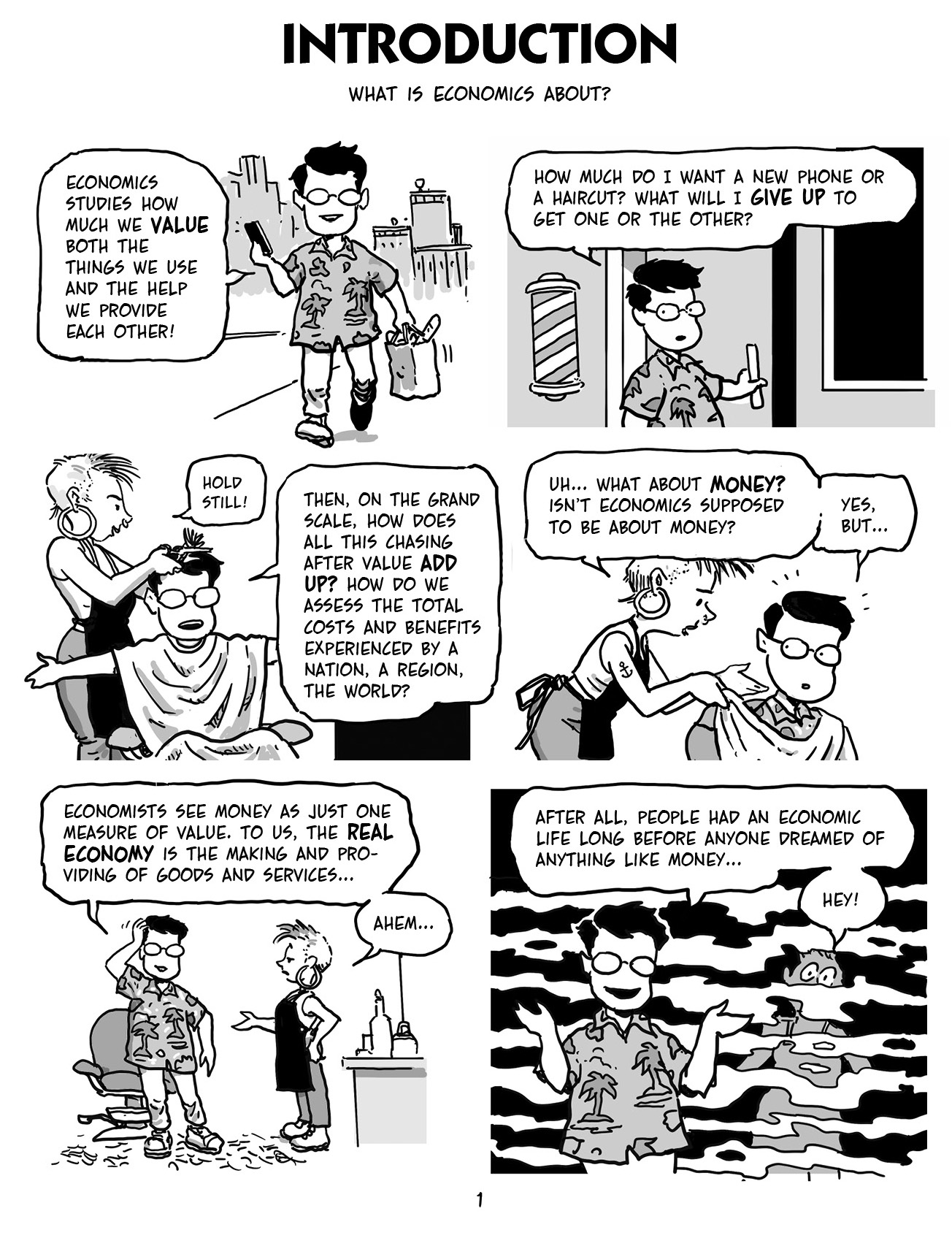
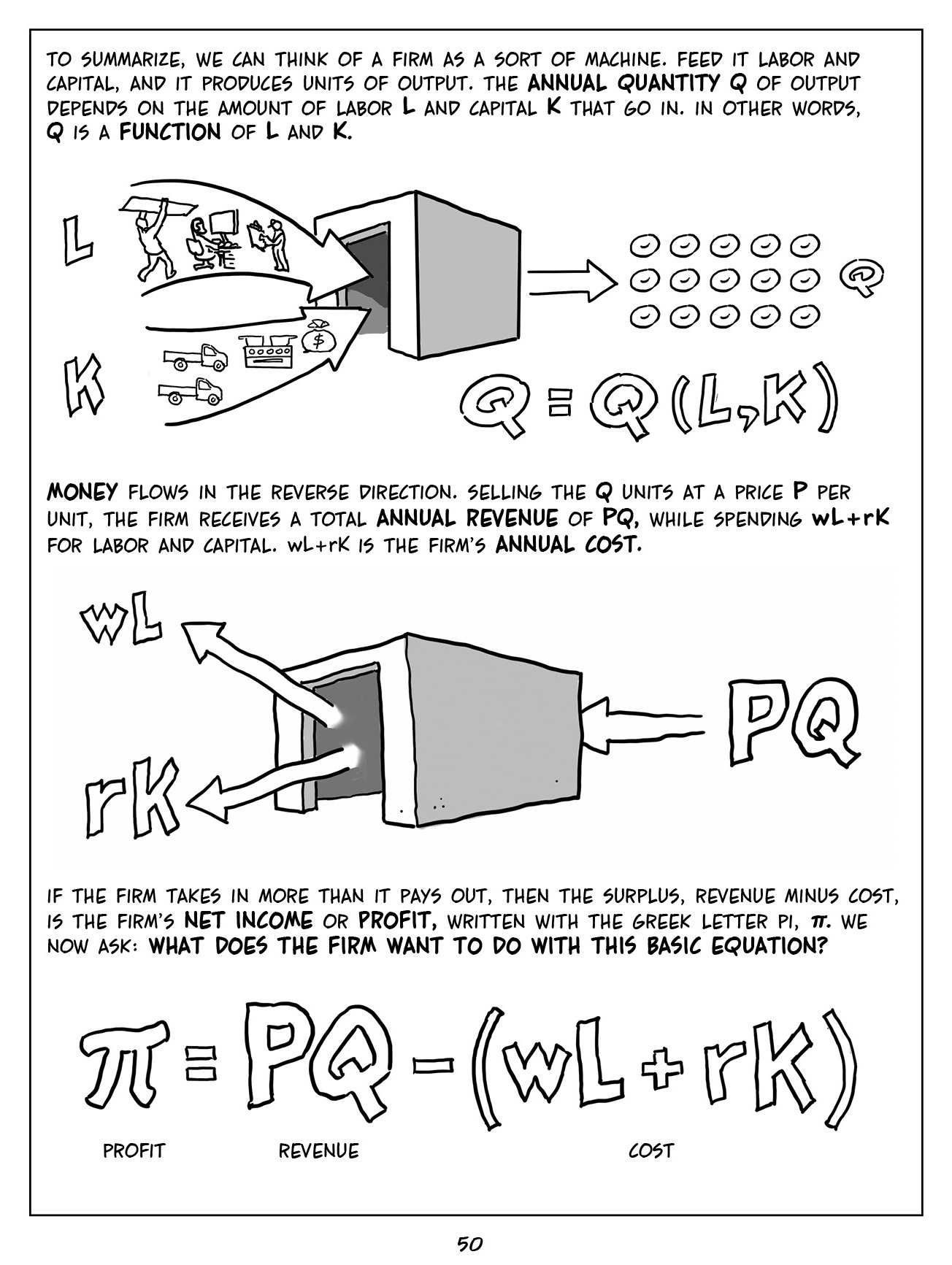
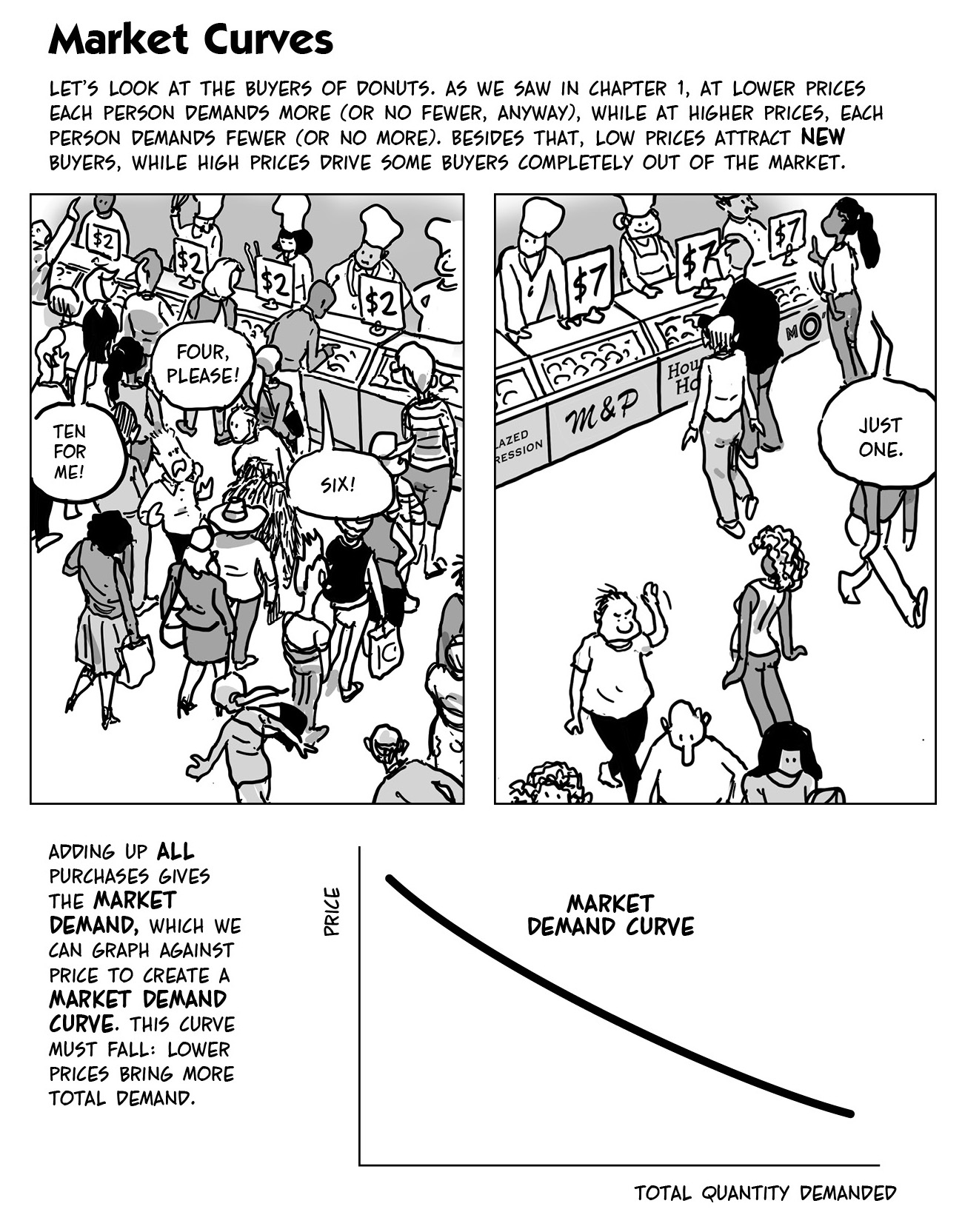
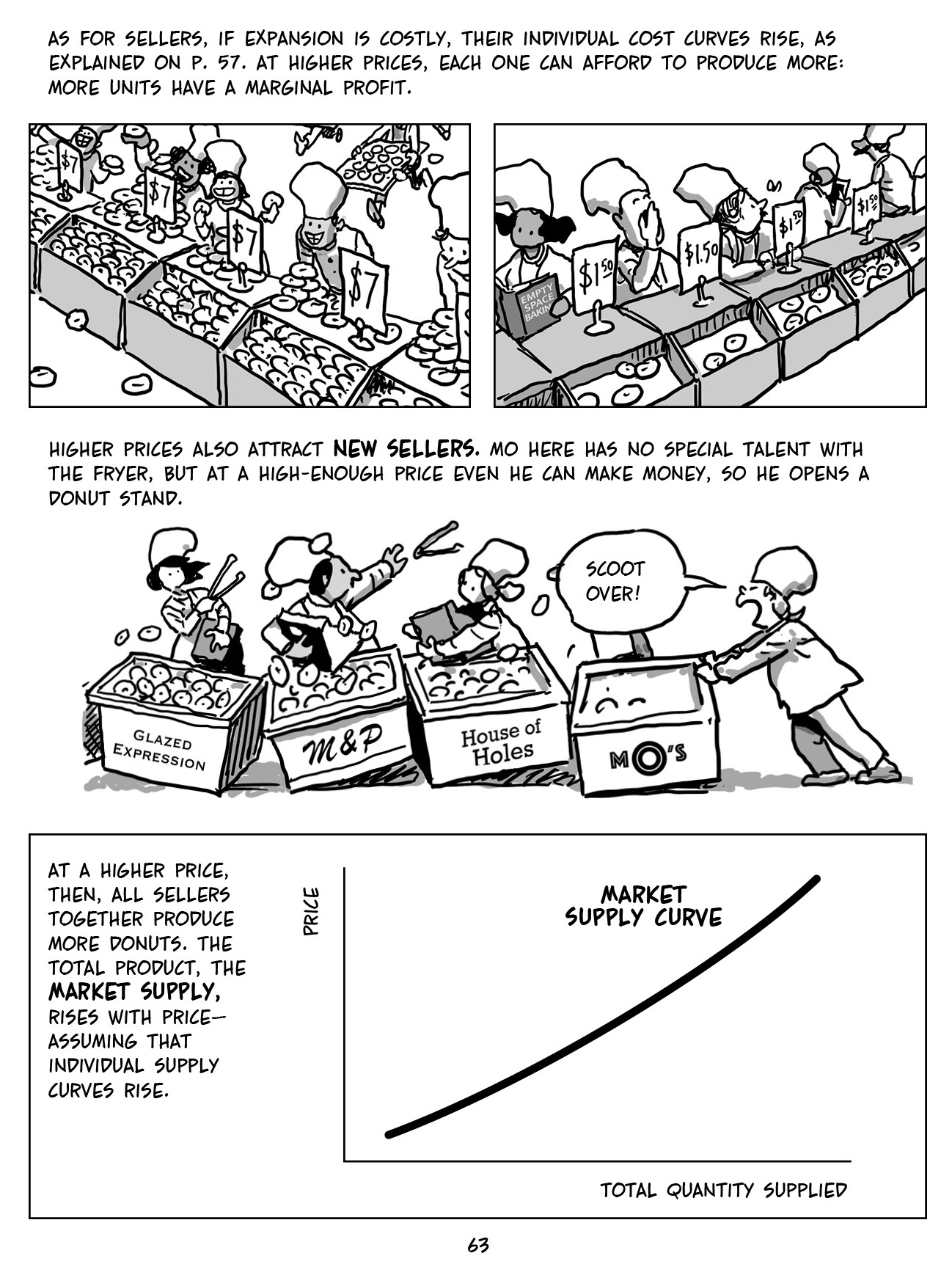
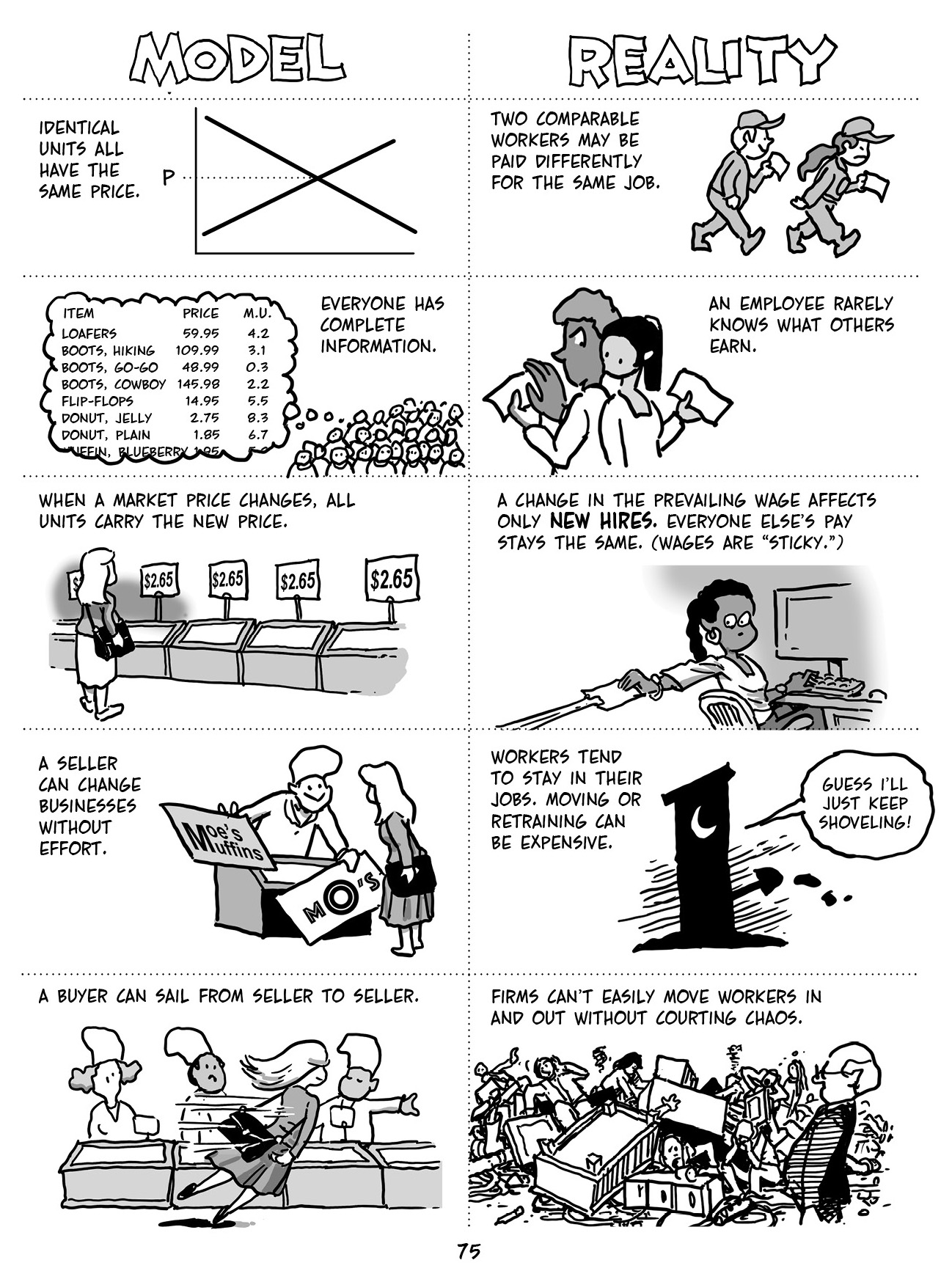
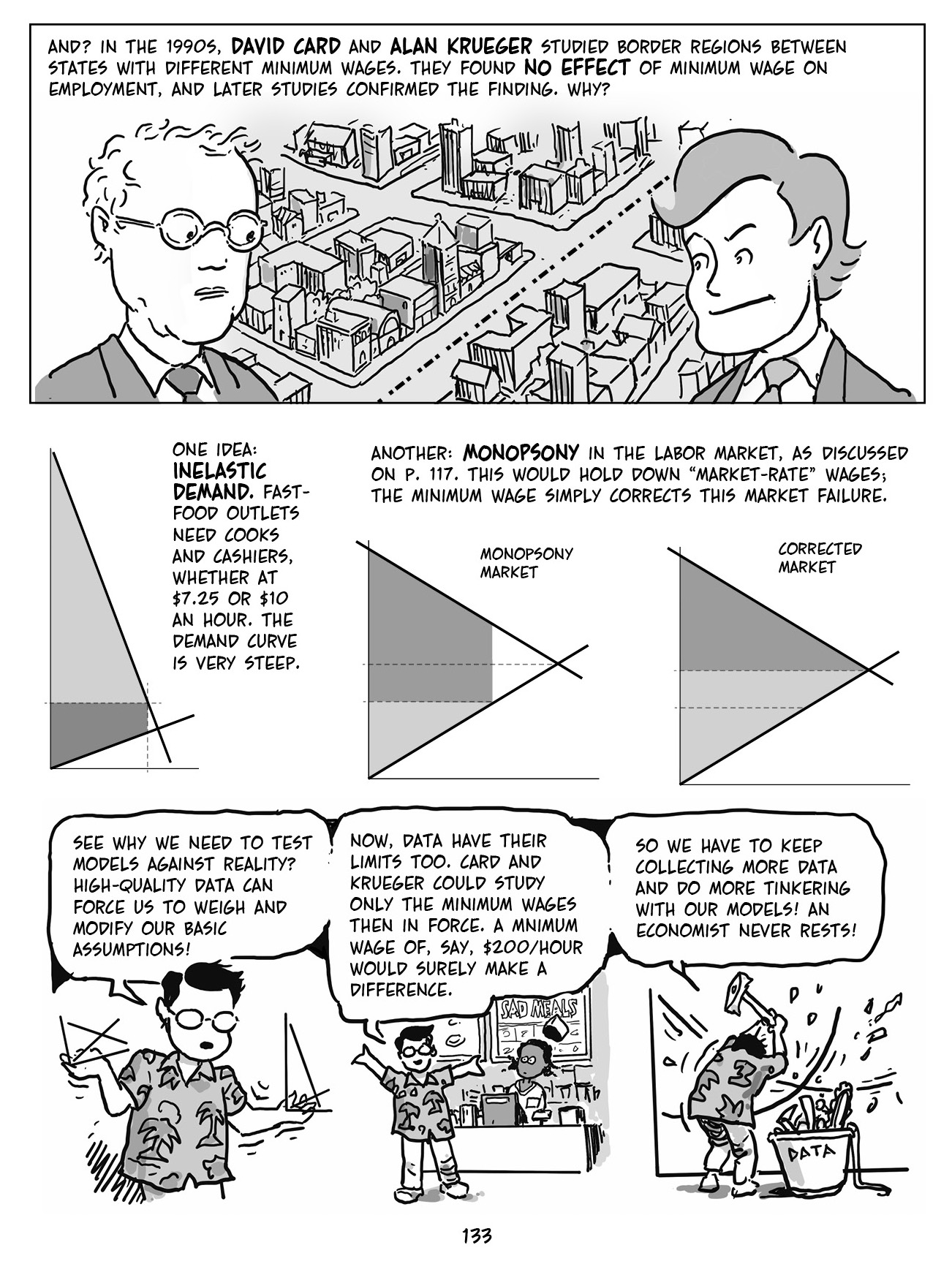
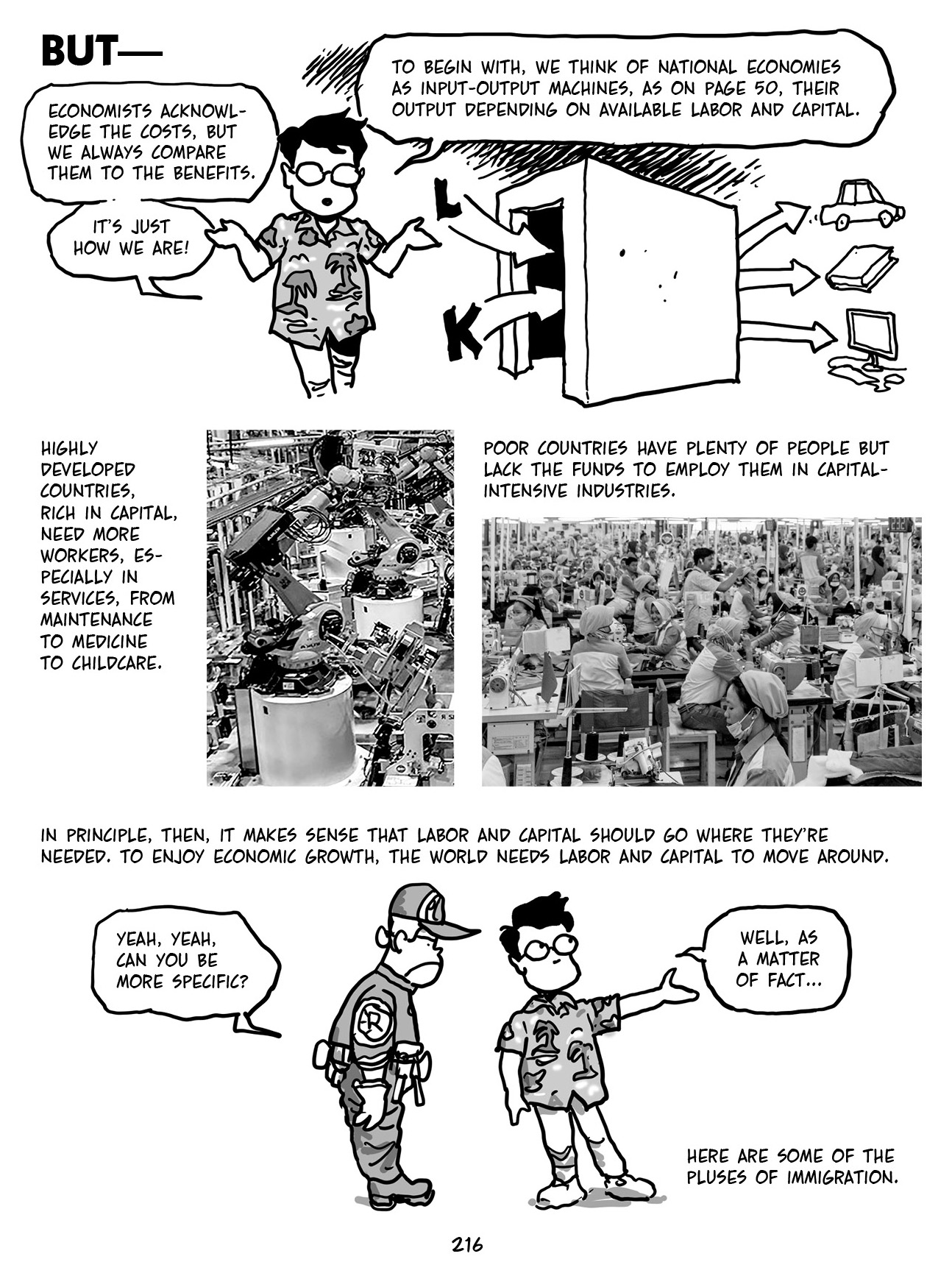
Microeconomics studies how (mostly) rational people satisfy their needs and desires by providing things and favors to each other. Starting with a simple model of how people make choices, economists develop it to explain cooperation, competition, and, yes, coercion that combine to create large-scale, interdependent productive enterprises and markets. (And you thought that Econ was about money? Ha!)
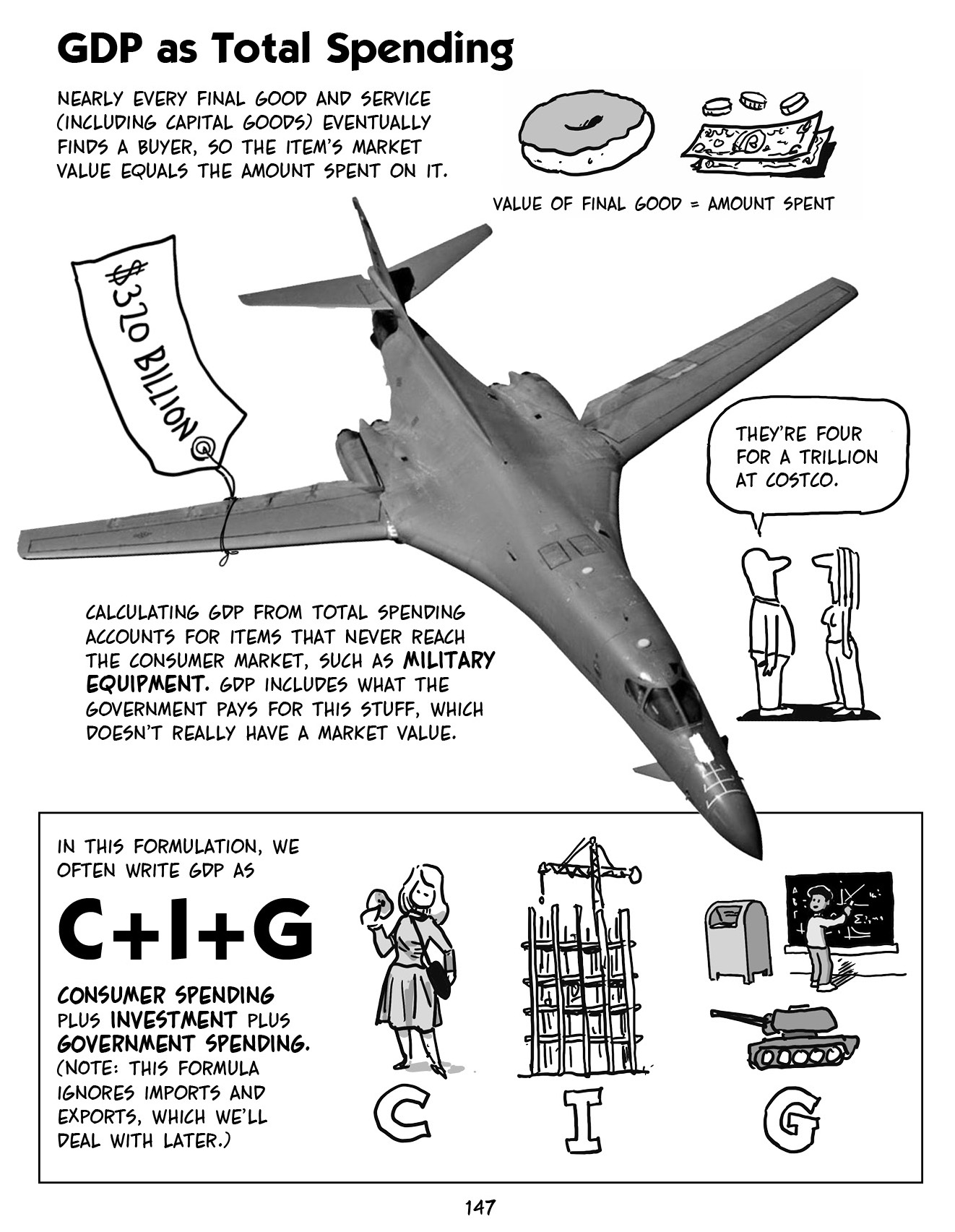
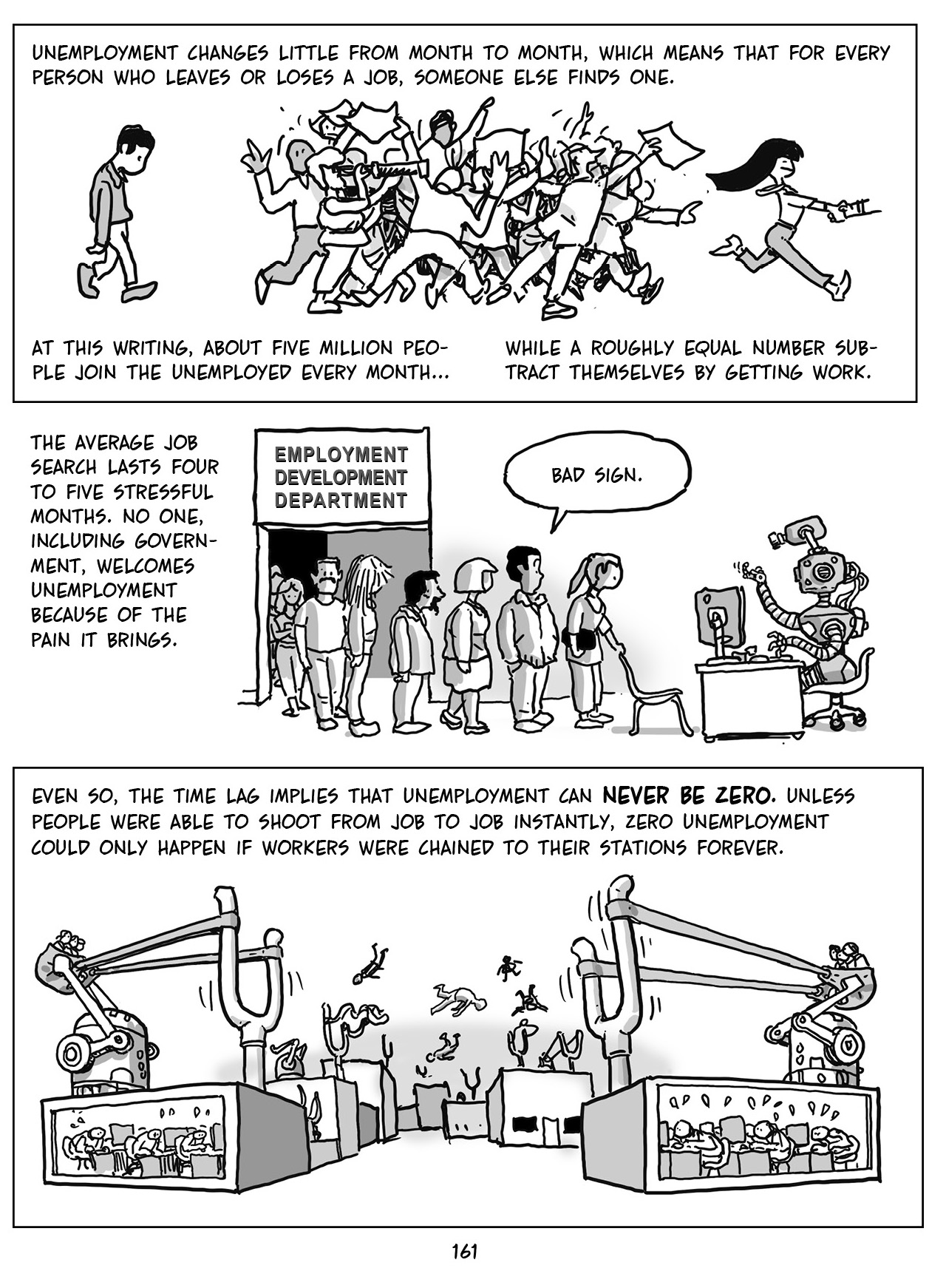
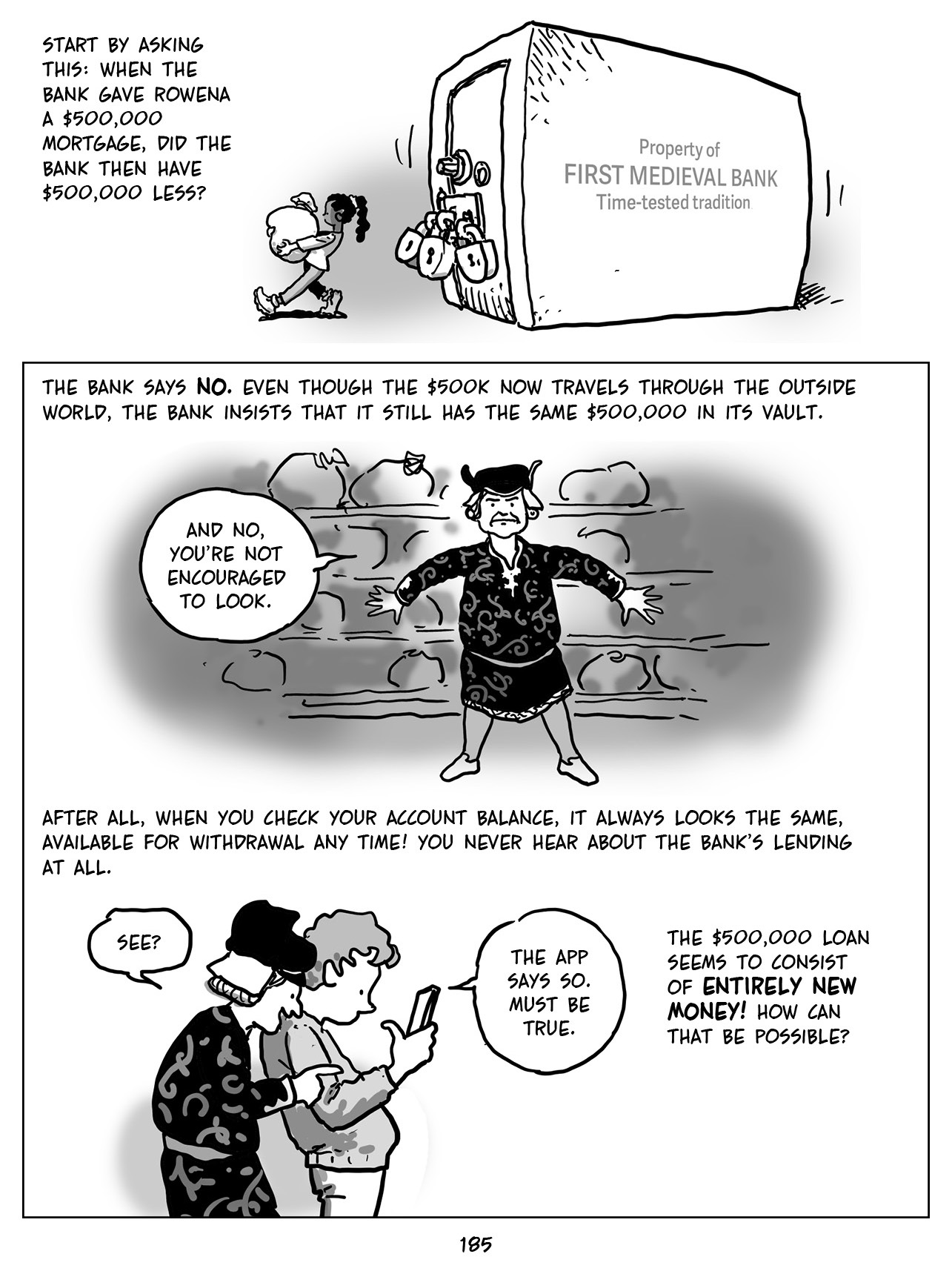
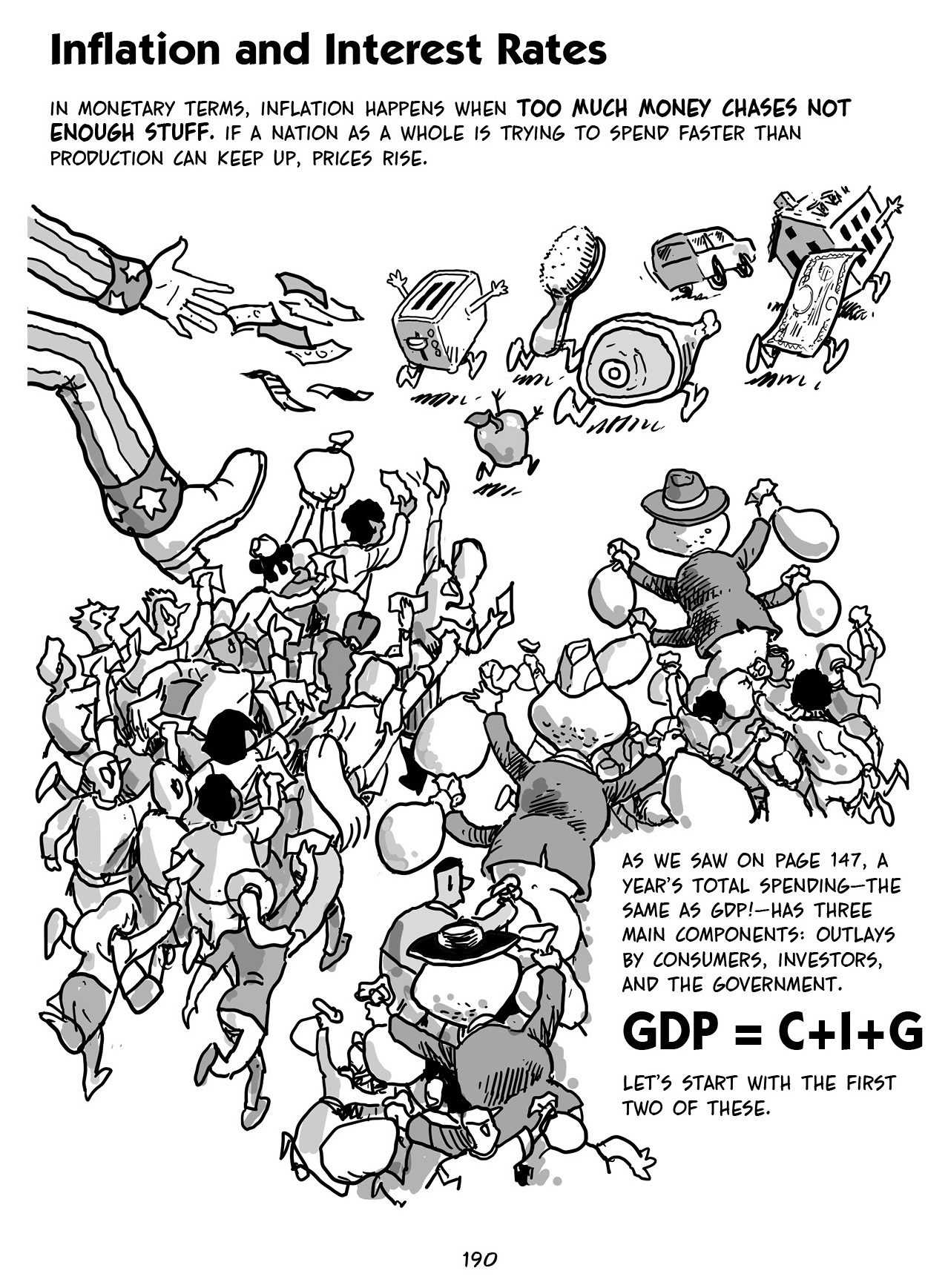
Macroeconomics adds up the effects of all that busy-ness to measure and analyze total production, employment and unemployment, overall wage and price levels, saving, spending, and investment at home and abroad.
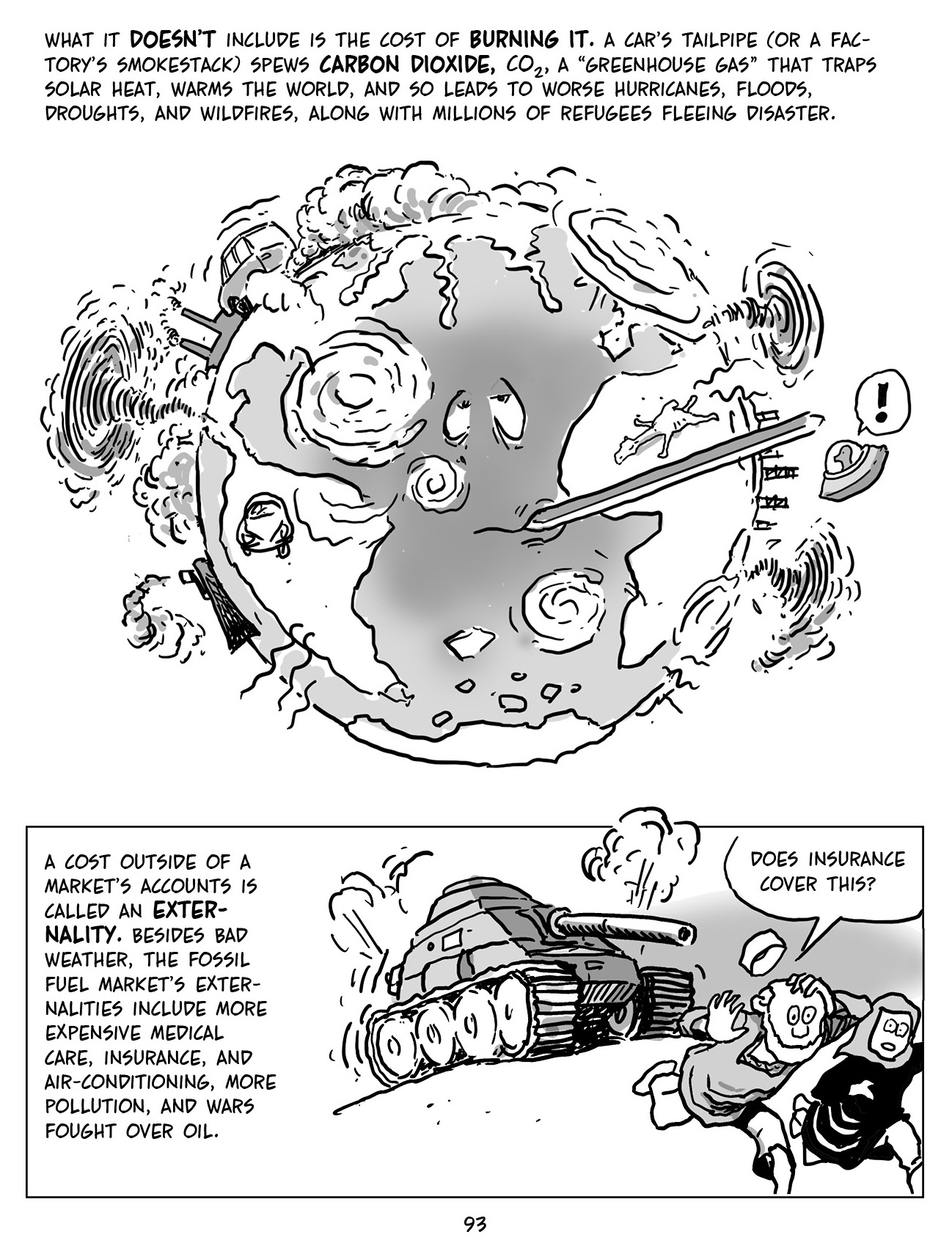
Study this stuff and you see problems. One market may fall into the hands of monopolists. Another may have hidden, uncounted costs that fall heavily on (cough cough) all of us. The pursuit of happiness may have few winners. To avert disaster, government can step in to provide redistribute income so nobody starves, deal appropriately with monopolies, subsidize favored industries, build public works like roadways and schools, regulate industry, and manage inflation and unemployment. Government can even, if we’re lucky, limit pollution and address global threats like rising temperatures, overfishing, and water shortages. Since this uses tax money, we have to analyze the effect of taxation and government spending on markets.
Amazing that we cover all this in just 248 pages!
HarperCollins, 248 pages, paper